Is the appraisal the wild card in your St. Charles home sale or purchase? You are not alone. Whether you are listing a family home in St. Peters or making an offer near Historic Main Street, a clear understanding of appraisals can help you plan, price, and negotiate with confidence. In this guide, you will learn what appraisers look for, how comps are chosen, how loan programs treat appraisals, and how to prepare so you protect your bottom line. Let’s dive in.
What a home appraisal is
An appraisal is an independent, professional opinion of a property’s market value. Lenders use it to confirm the home supports the loan amount and, for some programs, that it meets minimum health, safety, and habitability standards.
- Appraisers are licensed or certified by the state and must remain objective. You can verify credentials through the Missouri Real Estate Appraisers Commission.
- When you finance a purchase, the lender orders the appraisal. The appraiser’s client is the lender, but you usually receive a copy.
- Appraisers follow industry standards and investor rules. Resources like the Appraisal Institute and the Fannie Mae Selling Guide outline accepted methods.
How the appraisal process works
Here is the typical workflow from contract to report in St. Charles:
- Order. After you sign a contract, the lender orders the appraisal. Some sellers commission a private, pre-listing appraisal to set a data-backed price.
- Inspection. The appraiser visits to measure, photograph, and note features and any obvious health or safety concerns.
- Research. The appraiser analyzes recent comparable sales, pending sales, and market trends, then makes adjustments for differences.
- Delivery. The report goes to the lender. Your agent can help interpret the findings.
Most purchase appraisals take about 3-10 business days from inspection to report delivery. Timing varies with appraiser availability, lender processes, and property complexity.
How appraisers choose comps
Appraisers work from market evidence, not list price goals. In St. Charles’ suburban neighborhoods, they usually pull comps from your subdivision or within about 0.5 to 1 mile, then adjust for differences.
Key selection criteria:
- Recency. Sales from the last 3-6 months are preferred. In fast-moving markets, more recent sales and pendings matter more.
- Proximity. Closer is better for most tract neighborhoods. Unique or rural properties may require a wider radius.
- Similarity. Size, age, style, bedroom and bath count, lot size, condition, and layout drive selection.
- Market conditions. If prices are rising or softening, the report includes market trend analysis.
- Concessions and financing. Atypical concessions or financing terms may be adjusted.
Common adjustments include square footage, finished basement area, bedroom and bath count, condition and updates, garage spaces, lot premiums, and major system renovations. Appraisers support adjustments with local data, including MLS notes, assessor records, and paired sales.
Local data sources in St. Charles
Appraisers rely on data that you can gather too:
How loan programs treat appraisals
All lenders want to confirm value. Some programs also require the home to meet specific property standards.
- Conventional loans. Focus on value and general habitability. Major safety hazards or severe deferred maintenance can trigger repairs.
- FHA loans. The appraiser checks Minimum Property Requirements. See the FHA Single Family Housing Policy Handbook 4000.1.
- VA loans. VA appraisals also evaluate Minimum Property Requirements for health and safety. Refer to the VA Lender’s Handbook.
- Waivers and alternatives. For some borrowers and properties, lenders may use appraisal waivers or desktop/exterior reports, but a full interior inspection is still common for purchase loans.
What a low appraisal means
If the appraised value matches or exceeds the contract price, your loan generally proceeds to underwriting. If the value is lower, the lender typically bases financing on the appraised amount. You have options:
- Renegotiate the price.
- Share the gap. The buyer brings cash and the seller adjusts.
- Request a reconsideration of value through the lender with better comps or additional information.
- In limited cases, pursue an appraisal review or a new appraisal per lender policy.
Standard Missouri contracts often include an appraisal contingency that sets timelines for these decisions. Your agent will help manage the response window so you do not miss critical deadlines.
St. Charles factors that influence value
Every market has nuances. In St. Charles city and county, these local details often matter:
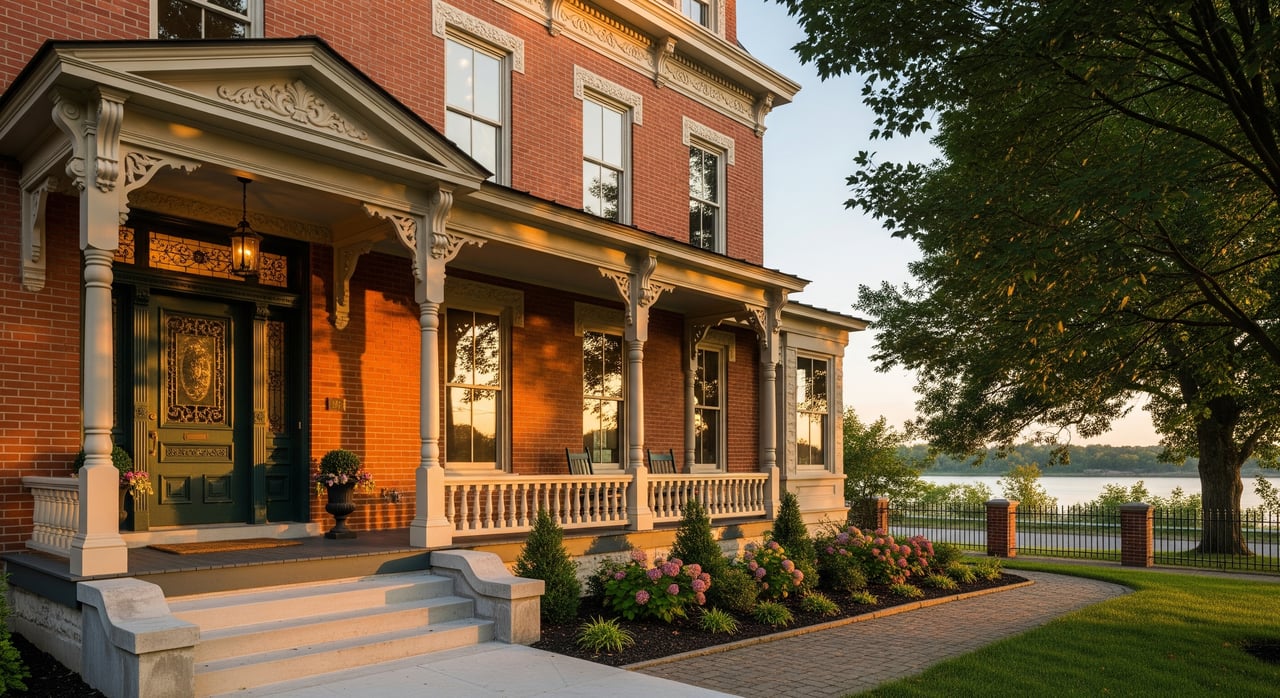
- Historic districts. Many homes near Main Street are designated or lie within historic areas. The appraiser will note permitted alterations and any restrictions that affect condition and comparability. Check local guidance with the Historic Preservation office.
- Basements and flooding. Proximity to the Missouri River or low-lying areas brings elevation, drainage, and flood insurance considerations. Finished basements, sump systems, and mitigation can influence value and loan acceptance. Verify with county Floodplain Management and any elevation certificates.
- Older homes and permits. Renovations to kitchens, baths, electrical, or structural elements are stronger value drivers when permitted and documented. Keep receipts and permit records ready.
- Limited comp pools. In smaller subdivisions or areas with few recent sales, appraisers may look to pending sales and nearby neighborhoods, with careful commentary on market trends.
- Neighborhood amenities. Lot size, mature trees, and proximity to parks and trails can influence the comp set and adjustments.
How to prepare for the appraisal
A tidy, accessible, well-documented home makes the appraiser’s job easier and helps reduce uncertainty in the report.
Documents to gather:
- A short list of upgrades with dates and costs, plus permits.
- MLS data sheet, recent inspection reports, and prior appraisals if available.
- Survey or plot plan; elevation certificate and flood insurance details if applicable.
- HOA documents and amenity lists.
- Photos of improvements that are hard to see, like crawlspace work.
Inspection day tips:
- Ensure clear access to the attic, basement or crawlspace, utility rooms, electrical panels, water heater, and HVAC.
- Replace burned-out bulbs so rooms are easy to see and photograph.
- Declutter to highlight usable space and allow accurate measurements.
- If vacant, leave a simple binder with your upgrade list, permits, and contact info.
Smart pricing for sellers
Appraisers work from closed sales. Pricing far above the comp-supported range increases the chance of an appraisal gap that can derail a financed buyer. Here is how to set a realistic, confident strategy:
- Align your list price with likely appraiser-favored comps in similar condition, size, and age.
- Consider a pre-listing appraisal if the home is unique or the market is shifting.
- Resolve obvious health or safety items that could trigger lender-required repairs.
- Document major improvements and permit history to support condition adjustments.
A careful plan helps you attract the right buyers and close smoothly.
Buyer strategies in a competitive market
Before you waive any appraisal protections, understand the risk and have a clear plan.
- Review your appraisal contingency timeline and options with your agent and lender.
- If you include an appraisal gap, know how much cash you can bring if needed.
- For FHA or VA, budget time and resources for potential required repairs.
- Keep your agent’s CMA and additional comps ready in case you pursue a reconsideration of value.
Timeline and expectations
From inspection to final report, most appraisals land in 3-10 business days. Complex properties, busy seasons, or limited comparable sales can extend that timeline. Your agent will coordinate access, provide documentation, and keep you updated so underwriting stays on track.
Who attends the appraisal
Sellers typically provide access and can share documents. Buyers may attend with permission and coordination, though the appraiser’s focus is on objective observation. Share facts and paperwork, but do not try to influence the outcome. Appraisers must maintain independence.
When to ask for a reconsideration
If the value seems off, your agent can assemble additional market evidence and request a reconsideration through the lender. Focus on recent, nearby, and similar comps. Include clear notes on upgrades, permits, and any errors in the report’s property data. Lenders will decide if a review or second opinion is warranted, consistent with investor rules like those in the Fannie Mae Selling Guide and Freddie Mac Single-Family Guide.
The bottom line for St. Charles
When you understand how appraisers think, you can set a winning price, write a smarter offer, and navigate any bumps with confidence. Your preparation, documentation, and strategy all help the appraiser tell an accurate story of your home’s value.
If you are planning to sell or buy in St. Charles County, get guided, high-touch support from a local expert who manages details and deadlines from start to finish. Connect with Elythe Rowan-Damico for a clear plan, market-driven pricing, and a smooth closing, or start with her seller tools to get your instant home valuation.
FAQs
What is a home appraisal and why does it matter?
- It is an independent opinion of market value for your home, used by lenders to confirm the loan amount and, for some programs, basic property standards.
How long does a St. Charles appraisal take?
- Most reports arrive 3-10 business days after the inspection, depending on property complexity and appraiser availability.
What happens if the appraisal is lower than my offer?
- You can renegotiate, share the gap with cash and price changes, or request a reconsideration of value through the lender using stronger comps.
Do FHA and VA appraisals require repairs?
Can I attend the appraisal inspection in St. Charles?
- Buyers and sellers may attend with coordination, but the appraiser must work independently. Share documentation and give access without pressuring the appraiser.
How are comps chosen for historic homes?
- Appraisers try to use nearby historic-area sales with similar age, condition, and permitted work, supported by local guidance from the Historic Preservation office.
Should I worry about flooding and basements near the river?
- Check elevation and floodplain status with county Floodplain Management. Drainage, mitigation, and finished basement quality can affect value and financing.