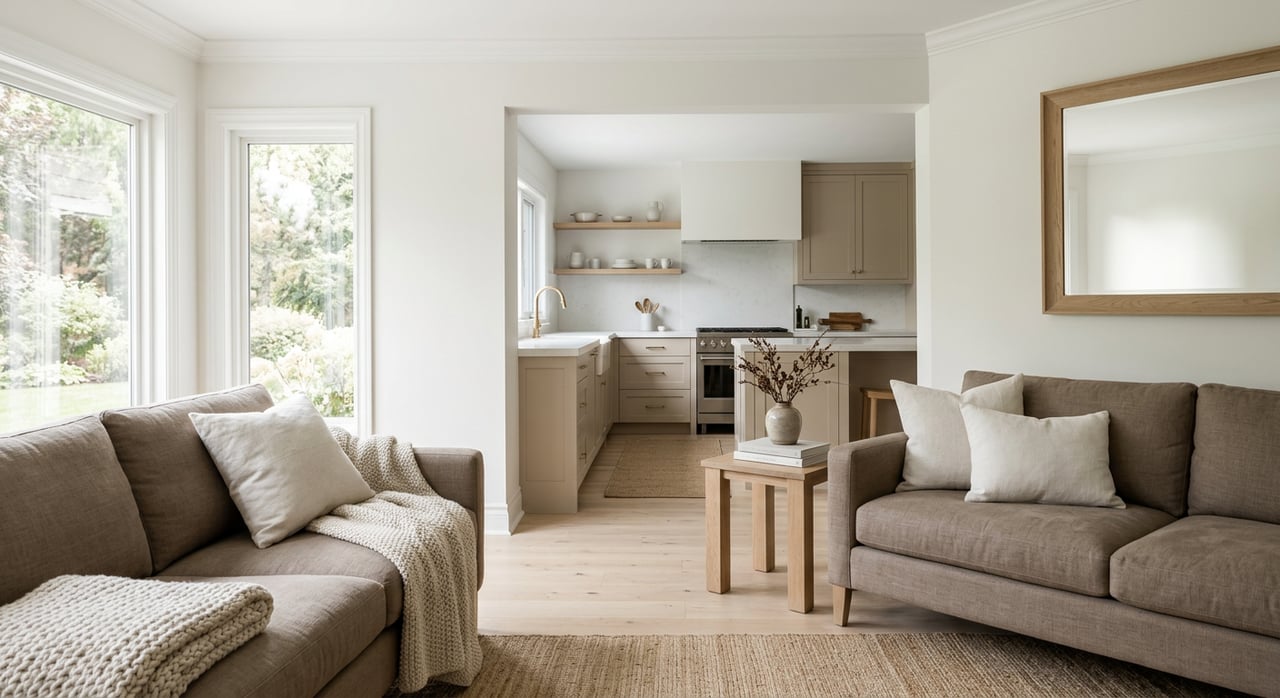
Smart Chesterfield Home Pricing Strategies for 2026
March 24, 2026
March 24, 2026
Pricing a home can feel like walking a tightrope. List too high and you risk stale days on market. List too low and you leave equity behind. In Chesterfield, buyer interest is healthy as we head through 2026, which means a well-prepared, well-priced home can still move quickly and close strong. In this guide, you’ll learn how today’s market is behaving, which local factors most affect value, the updates that pay back, and a step-by-step checklist to get pricing right. Let’s dive in.
Chesterfield’s indicators point to steady demand. As of February 2026, Redfin reports a median sale price near $476,000, with a sale-to-list ratio close to 99% and typical days on market in the 30s. Zillow shows a typical home value (ZHVI) around $554,000 and a median list price near $529,800, with many listings going pending in about 17 days.
Why the gap between numbers? Each portal tracks different metrics on different timelines. ZHVI is a modeled index, while median sale price reflects closed transactions and median list price reflects current asking behavior. Use these as background context. When you price, rely on recent local comparable sales and the current active/pending competition your agent pulls from MLS. That is the most accurate view of what buyers are paying right now.
Buyers weigh access to I-64 and MO-141, proximity to Chesterfield Valley retail and parks, and overall neighborhood setting. Chesterfield’s higher household income base also supports a wider price ceiling. According to U.S. Census QuickFacts, the city’s median household income is around $133,000, and the median value for owner-occupied homes sits in the $470K range. These are helpful benchmarks when reviewing comps and positioning your list price. You can view local context on the Census QuickFacts page for Chesterfield.
Two public school districts serve Chesterfield addresses: Parkway C-2 and Rockwood. Assignment is boundary-based and can vary by street. If school assignment matters to your likely buyer, verify it by address using district resources before you price or market your home. Start with the Parkway Schools site and the Rockwood maps and boundaries page.
Use neutral, factual language in your listing and marketing, and avoid promises about attendance rights. District boundaries can change, so always confirm at the time you list.
Buyers often review property tax history and assessed values. St. Louis County’s online portal makes it easy to pull tax bills and assessment records. If you received a recent reassessment, bring that notice to your pricing meeting and be prepared to discuss it. You can access the county site here: St. Louis County property and tax resources.
Industry data shows that targeted, visible updates often deliver the best resale return. The 2025 Cost vs. Value report ranks several projects at or near the top for recouped value: garage-door replacement, a steel entry door, manufactured stone veneer, and minor midrange kitchen and bath remodels. Large-scale luxury remodels tend to recoup a smaller percentage at resale. You can review the national ROI rankings on Cost vs. Value.
NAR’s 2025 Remodeling Impact Report adds helpful perspective: modest, lower-risk projects and curb appeal improvements are frequent recommendations for sellers. Over-improving for the neighborhood is a common pitfall. You can explore the summary insights here: NAR 2025 Remodeling Impact Report.
Buyers notice kitchen condition and appliances, bathrooms, flooring, fresh neutral paint, and clear signs of upkeep like roof and HVAC care. Small fixes such as updated lighting, hardware, and landscaping can broaden your buyer pool. Staging and professional photos help your home show at its best and can reduce time on market and price concessions.
Use this checklist if you plan to list in the next 6–12 months. It sets the table for a precise, data-backed price.
A strong pricing plan starts with normalization. Your agent will adjust comps for square footage, lot size, age, condition, bedrooms and baths, finished lower level, garage size, and school assignment. If your home combines several in-demand factors, like a convenient location plus a refreshed kitchen and a desirable lot, expect to see clear adjustments that explain the value.
If your goal is to maximize net quickly, prioritize presentation over major structural renovations unless your local comps support a higher price ceiling. Industry data shows modest, targeted projects typically outperform large upscale remodels on percentage recoup. If your address falls within a specific Parkway or Rockwood attendance area, highlight that factually in marketing and always point buyers to the district for verification.
The first two weeks on market are your most valuable. Monitor showing count, online activity, and buyer feedback closely. If your traffic lags behind similar nearby listings, review recent pendings and new actives with your agent and confirm whether a price improvement or added incentives would realign you with the market. Adjustments work best when informed by fresh comps and clear signals from the current buyer pool.
You do not have to navigate price setting alone. With deep neighborhood insight across Chesterfield and the strength of Coldwell Banker marketing, you get a clear pricing strategy, polished presentation, and steady coordination from first consult to closing. If you are considering a move in the next 6–12 months, let’s start with data, timing and a plan that fits your goals. Connect with Elythe Rowan-Damico for a pricing consultation today.
Stay up to date on the latest real estate trends.

Get assistance in determining current property value, crafting a competitive offer, writing and negotiating a contract, and much more. Let Elythe guide you through your home-buying journey.