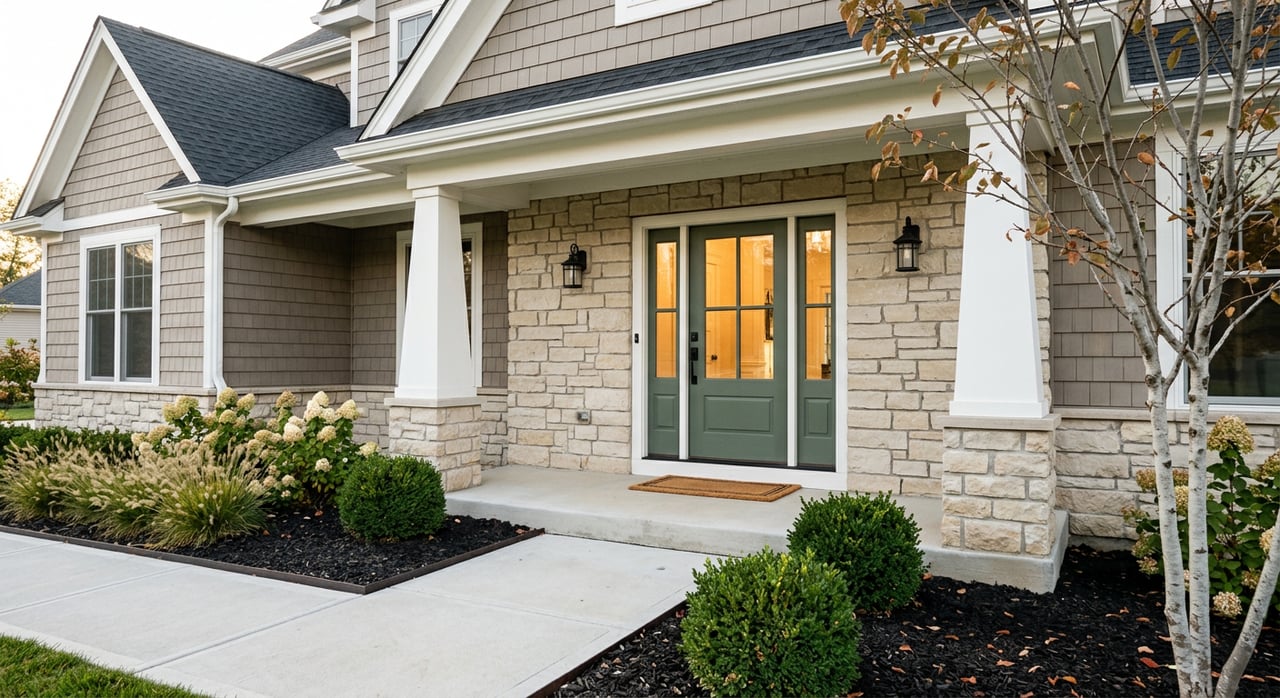
St Peters First-Time Homebuyer Guide & Checklist
March 5, 2026
March 5, 2026
Buying your first home in St. Peters should feel exciting, not overwhelming. You want a clear plan, straight answers, and a local guide who knows how to navigate price ranges, neighborhoods, HOAs, inspections, and financing. This guide walks you through each step with St. Peters specifics so you can move from browsing to keys-in-hand with confidence. Let’s dive in.
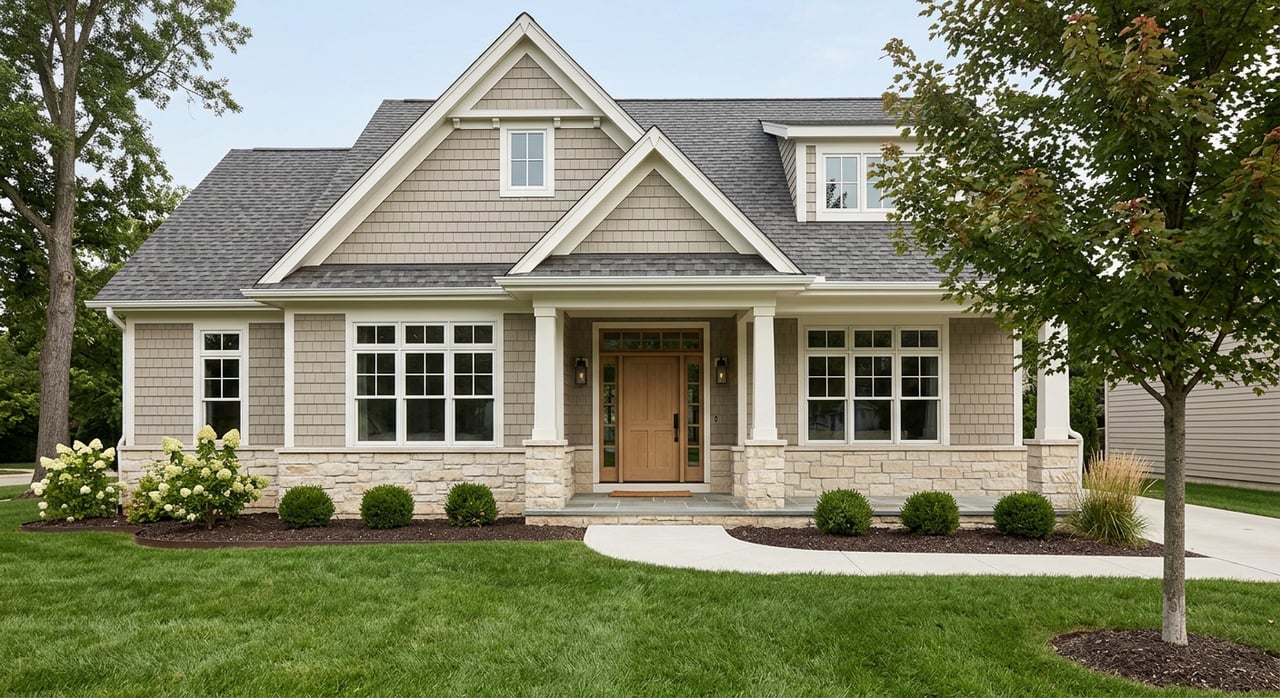
St. Peters offers a wide mix of attached and single-family homes. Many first-time buyers start in townhomes or smaller single-family houses, with a lot of attached options often appearing under $300,000. Modest detached homes trend closer to the $300,000 range and up, depending on age, size, and updates. Median prices in recent reports have hovered in the low-to-mid $300,000s, but numbers shift month to month. Your best move is to review a current MLS snapshot the week you’re ready to shop.
Inventory has been moderate with a steadier pace than the peak of the last cycle. That gives you a bit more room to compare, though well-priced homes still draw interest. A strong pre-approval and a realistic budget help you act decisively when the right home hits the market.
List your current income, fixed expenses, and a target monthly housing payment. Build in the full cost of ownership.
Ask your lender for a fully underwritten pre-approval, not just a quick pre-qualification. A full pre-approval verifies income, assets, and credit and gives you a strong offer letter. Most lenders issue letters that are valid for about 60 to 90 days, so refresh it if it expires. If you want an overview of why this step matters, read this clear explainer on the power of pre-approval from a respected industry resource: harnessing the power of mortgage pre-approval.
Documents to gather now:
Missouri offers meaningful assistance that can lower your upfront cash and monthly cost.
Tip: If you plan to use assistance, connect with an MHDC-approved lender and the local counselor before you write an offer. Paperwork, inspections, and approval steps affect contingencies and closing dates.
Some local assistance programs require a municipal or county HOME or occupancy inspection and a visual lead clearance before closing. These are separate from your private home inspection. Build enough time in the contract to complete both if needed. This is one reason a coordinated plan with your lender, counselor, and agent helps you avoid last-minute delays. For a sense of what documents assistance programs require at closing, review the Homebuyer’s Team program information.
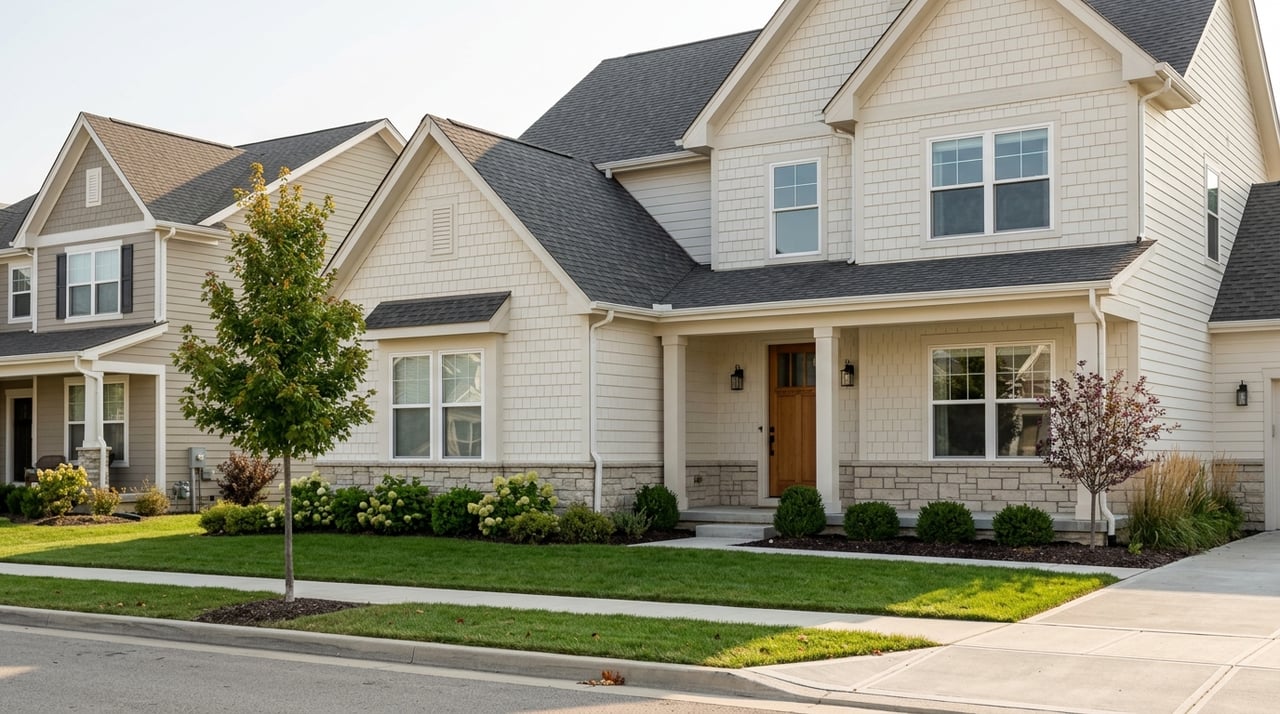
You will find established single-family subdivisions, newer build-to-sell communities, and attached townhome neighborhoods across St. Peters. HOAs are common with condos and townhomes and are present in many single-family subdivisions. Fees vary widely. In some subdivisions, annual dues can be modest. In condo communities, monthly dues can reach several hundred dollars based on amenities and services. Always request the HOA resale certificate or packet, rules and regulations, budget, reserves, and recent meeting minutes before you finalize an offer.
Parts of St. Peters are served by multiple districts, including Fort Zumwalt R-II, Francis Howell R-III, St. Charles R-VI, and Wentzville R-IV, depending on the street. Boundaries can change and often differ block by block. Before you write an offer, verify the current attendance zone for the exact address using district maps or an attendance-zone resource such as this attendance zone map example.
Census estimates place typical drive times in St. Peters and St. Charles County in the low-to-mid 20 minute range. Major corridors like Veterans Memorial Parkway, Mid Rivers Mall Drive, St. Peters Howell Road, and I-70 access around Salt Lick help shape commute times. Test your commute during the hours you plan to travel and keep an eye on City of St. Peters updates for road projects that could affect timing.
With moderate inventory, good homes still move, but you often have time to see properties and compare options. A current pre-approval and a clear budget help you act quickly without stretching. Your agent can advise if escalation clauses or incentives are common at the time you’re writing.
Build a realistic inspection window. Seven to ten days is a common target, but check what is typical when you are making offers. If you are using down payment assistance that requires a municipal or county inspection, schedule it early and leave enough time for any follow-up items. Keep an appraisal contingency unless you fully understand the risks of waiving it. Your lender will coordinate the appraisal and timing.
Hire a licensed inspector (ASHI or InterNACHI certified is a helpful signal) to evaluate structure, roof, HVAC, plumbing, electrical, and safety items. You will receive a detailed report that you can use to request repairs or a credit. This inspection is for your knowledge and negotiation. It is not a substitute for required municipal or county inspections tied to assistance programs.
If you use certain local down payment assistance programs, a municipal or county HOME or occupancy inspection and a visual lead clearance are usually required. Passing these inspections is often a condition to receive funds at closing. Schedule early and coordinate with your counselor and agent so the timeline fits your contract. For an outline of typical requirements, see the Homebuyer’s Team program information.
Your lender orders an appraisal to confirm a lender-acceptable value for the property. If the appraisal is lower than the contract price, you may negotiate with the seller, request concessions, or bring the difference in cash. Assistance programs usually require a standard residential appraisal report at closing, so factor the appraisal timeline into your contract plan.
Property taxes in Missouri are calculated based on assessed value, which is 19% of a property’s market (true) value by statute. Local tax rates are set by a combination of jurisdictions like city, school, fire, and library, so the final bill depends on the exact parcel. For the legal basis of the 19% residential assessment level, review this reference from the Missouri State Tax Commission: residential assessment level in Missouri. Your lender can provide a current estimate for taxes and insurance on target homes.
HOA dues vary by community and property type. Subdivisions may have modest annual dues, while condos often carry several-hundred-dollar monthly dues that cover shared services and amenities. Ask for the HOA budget, reserves, rules, and any pending special assessments before you finalize terms.
You do not have to navigate this alone. You deserve local advice, clear communication, and a calm, step-by-step process that protects your interests. If you want a tailored plan for St. Peters that aligns financing, neighborhoods, and timelines, reach out. When you are ready, connect with Elythe Rowan-Damico to talk next steps for your first home.
Stay up to date on the latest real estate trends.

Get assistance in determining current property value, crafting a competitive offer, writing and negotiating a contract, and much more. Let Elythe guide you through your home-buying journey.