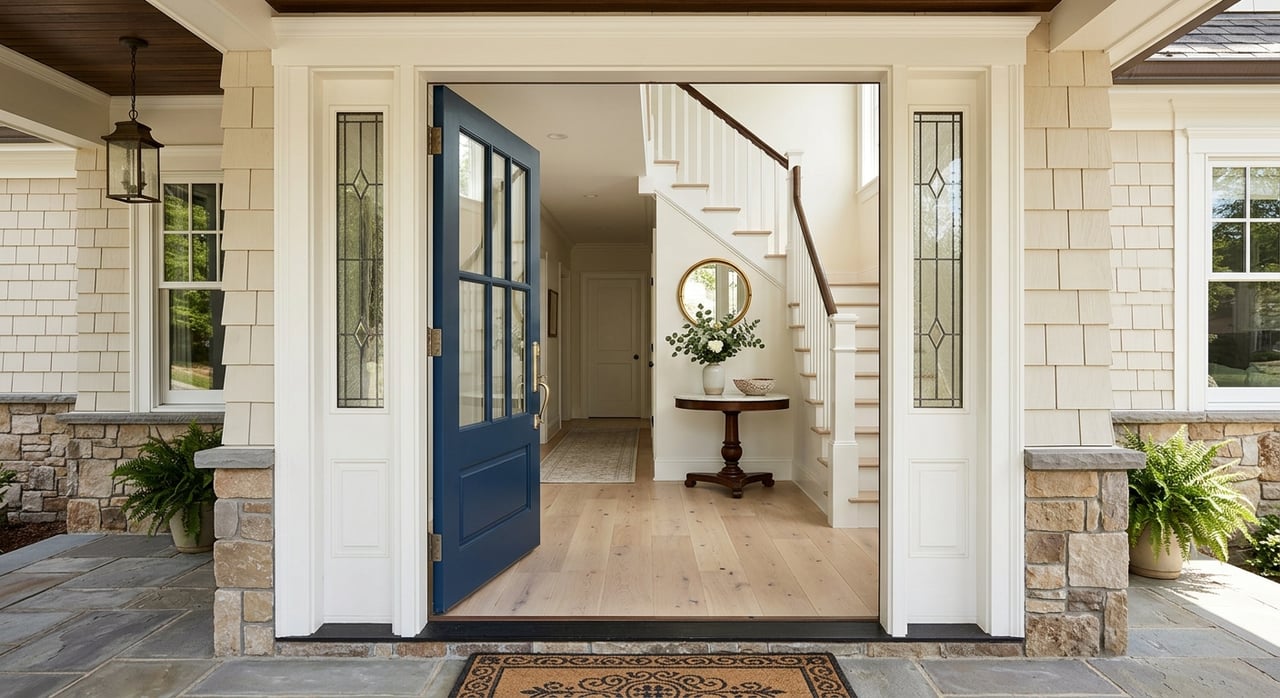
How to Sell Your Longtime St. Charles Home With Confidence
April 2, 2026
April 2, 2026
Wondering where to start after years, or even decades, in your St. Charles home? Selling a longtime property can feel emotional, complicated, and full of decisions you have not had to make in a very long time. The good news is that with the right preparation, you can make smart choices about pricing, updates, paperwork, and timing before your home ever hits the market. Let’s dive in.
If you have owned your home for a long time, it is easy to assume value is based mostly on how many years you have been there. In reality, the current St. Charles market shows that price depends more on present-day condition, location, and comparable sales than on length of ownership alone.
Recent local market data places St. Charles home values in the mid-$300,000 range, though the number varies by source and methodology. Redfin’s St. Charles housing market data reported a February 2026 median sale price of $335,000 and 29 median days on market. That range is helpful for context, but your own home’s value will depend on how it compares with similar homes selling right now.
For longtime sellers, that makes preparation especially important. According to the NAR 2025 Remodeling Impact Report, 46% of buyers are less willing to compromise on home condition. If your home has been lovingly maintained but not recently refreshed, selective improvements can make a meaningful difference.
You usually do not need a full remodel to get your home ready to sell. In most cases, the smartest approach is to improve what buyers see first and address issues that may raise concerns during showings or inspections.
The same NAR remodeling report found that the most commonly recommended pre-sale projects were painting the entire home, painting one room, and new roofing. That tells you something important: visible updates and clear maintenance often matter more than large, expensive renovations.
A good starting checklist includes:
If you have lived in the property for many years, you may not notice small items that buyers will spot immediately. A worn handrail, stained ceiling, aging caulk line, or dated light fixture can quietly affect how well-maintained the home feels.
Before you spend money on updates, take a hard look at what you can remove. Decluttering is one of the most effective and affordable ways to make a longtime home feel more spacious, bright, and move-in ready.
According to the NAR 2025 Profile of Home Staging, 83% of buyers’ agents said staging made it easier for buyers to visualize the property as a future home. The same report found that 29% of sellers’ agents said staging led to a 1% to 10% increase in the dollar value offered.
Even if you do not fully stage the home, you can still make a strong impact by:
The rooms buyers tend to notice most often include the living room, primary bedroom, dining room, and kitchen. If you are short on time, start there.
Older homes often draw the most buyer attention in one specific area: the major systems. Cosmetic issues matter, but buyers and inspectors usually focus more on whether the roof, HVAC, plumbing, electrical, and structural elements appear sound.
The American Society of Home Inspectors explains that a standard inspection typically covers the heating system, central air conditioning, plumbing, electrical system, roof, attic, windows and doors, and the foundation or basement structure. For a longtime St. Charles homeowner, that means it is smart to review these items before listing.
A pre-listing walkthrough or inspection can help you:
This step can be especially helpful if your home has older components, limited repair records, or systems that have not been evaluated in several years.
One of the most overlooked parts of selling a longtime home is paperwork. If you have owned the property for a decade or more, your records may affect both your pricing decisions and your tax planning.
Start by gathering:
This matters because the IRS draws a clear line between capital improvements and routine maintenance. According to the IRS home sale guidance, improvements that add value, extend useful life, or adapt the home to new uses can generally be added to your tax basis. Examples include a new roof, furnace, central air, plumbing, wiring, water heater, septic system, additions, or kitchen modernization.
Routine repairs usually do not increase basis unless they were part of a larger restoration or remodeling project. So if you replaced broken hardware, fixed leaks, or painted as normal maintenance, those items typically are treated differently from major improvements.
Many longtime owners have substantial equity, which is great news, but it also means you should understand the potential tax side before you sell. The exact result depends on your ownership history, how long the home has been your main residence, and whether the property had rental or business use.
The IRS rules on excluding gain from the sale of your home generally allow up to $250,000 of gain exclusion for a single filer and up to $500,000 for a married couple filing jointly, as long as the ownership and use tests are met. In general, that means you owned and lived in the home as your main residence for at least two of the five years before the sale.
If part of the home was used for rental or business purposes, the calculation can become more complex. The IRS also notes that depreciation claimed for rental or business use may still be taxable, even if some gain is excluded. That is why good records matter so much for longtime owners.
Before listing, it also helps to understand how local property taxes fit into your overall planning. Carrying costs still matter while your home is on the market, and they may affect your timing and net proceeds.
According to St. Charles County real estate tax information, the county reassesses real estate every odd-numbered year, and residential property is assessed at 19% of market value. The county also notes that your final tax bill is affected by multiple taxing jurisdictions, not just assessed value alone.
If you are age 62 or older and the home is your primary residence, you may also want to review the county’s Senior Citizen Real Estate Property Tax Relief program. For 2026, applications are due between March 1 and June 30, must be renewed annually, and the credit does not apply to every part of the tax bill.
Selling a longtime home tends to go more smoothly when you break the process into manageable steps. Instead of trying to do everything at once, focus on the decisions that most directly affect value, buyer confidence, and your timeline.
Here is a practical roadmap:
Gather purchase documents, tax records, improvement receipts, permits, and warranties. These records can support tax basis, clarify system ages, and make buyer questions easier to answer.
Confirm whether the home has been your main residence for at least two of the last five years. If there was rental or business use, note that early so you can plan accordingly.
Focus on paint, visible repairs, curb appeal, and major system concerns before considering larger projects. In many cases, these targeted improvements do more for marketability than a broad remodel.
A walkthrough or inspection can help you understand where buyers may hesitate. That gives you more control over repair decisions and pricing.
Start with the living room, kitchen, primary bedroom, and dining room. Removing extra belongings often makes the home feel larger and easier for buyers to picture.
Understand how your basis, gain exclusion, local taxes, and any eligible relief programs may affect your planning before listing day arrives.
Longtime homes often have something buyers value: established character, mature landscaping, and a history of care. But buyers still evaluate them through today’s lens. They compare condition, maintenance, and presentation against other homes on the market right now.
That is why preparation is not about erasing your home’s story. It is about presenting that story clearly, confidently, and in a way that helps buyers see the value you have built over time.
If you are starting to think about a move, the best first step is a plan built around your home, your timing, and your goals. When you are ready for experienced, local guidance, connect with Elythe Rowan-Damico for a thoughtful selling strategy tailored to your St. Charles home.
Stay up to date on the latest real estate trends.


Get assistance in determining current property value, crafting a competitive offer, writing and negotiating a contract, and much more. Let Elythe guide you through your home-buying journey.